
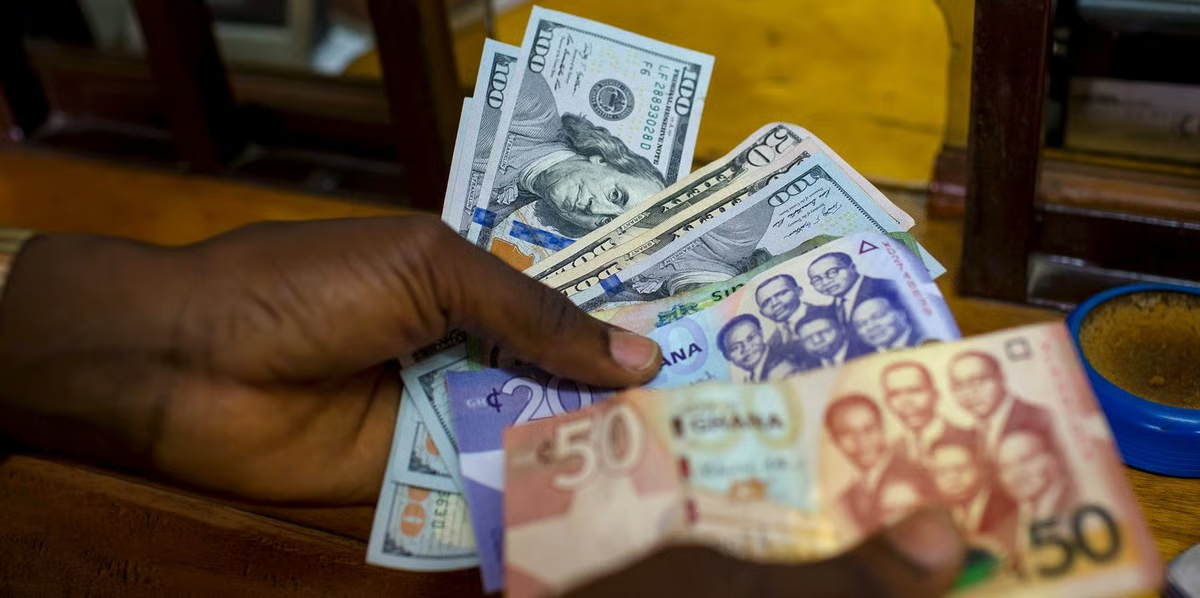
The Ghana cedi posted a small depreciation against the US dollar in early February trading, as the interbank market opened the month slightly weaker than the end of January, according to Bank of Ghana data.
On February 3, the central bank’s published interbank weighted median rate for the US dollar stood at GH¢10.9700.
Ghana cedi slips on the interbank market
Bank of Ghana figures show the cedi ended January at an interbank end-period rate of GH¢10.9500 per US dollar.
By February 3, the published interbank closing rate moved to GH¢10.9700. That shift indicates a marginal weakening at the start of the month.
What market participants are watching
Traders and businesses often track foreign currency demand from importers, especially in energy and construction. In addition, they watch central bank interventions and broader liquidity conditions.
Late January market commentary also pointed to continued demand for dollars and expectations of a softer cedi in the near term.
Why the exchange rate matters
Even small movements can affect import costs over time, particularly for fuel, medicines and industrial inputs priced in dollars. As a result, businesses may adjust pricing and procurement plans, while households feel pressure through transport and goods distribution costs.
For now, the Bank of Ghana’s published interbank rates show the cedi started February slightly weaker than it ended January, as the market began a new trading month.