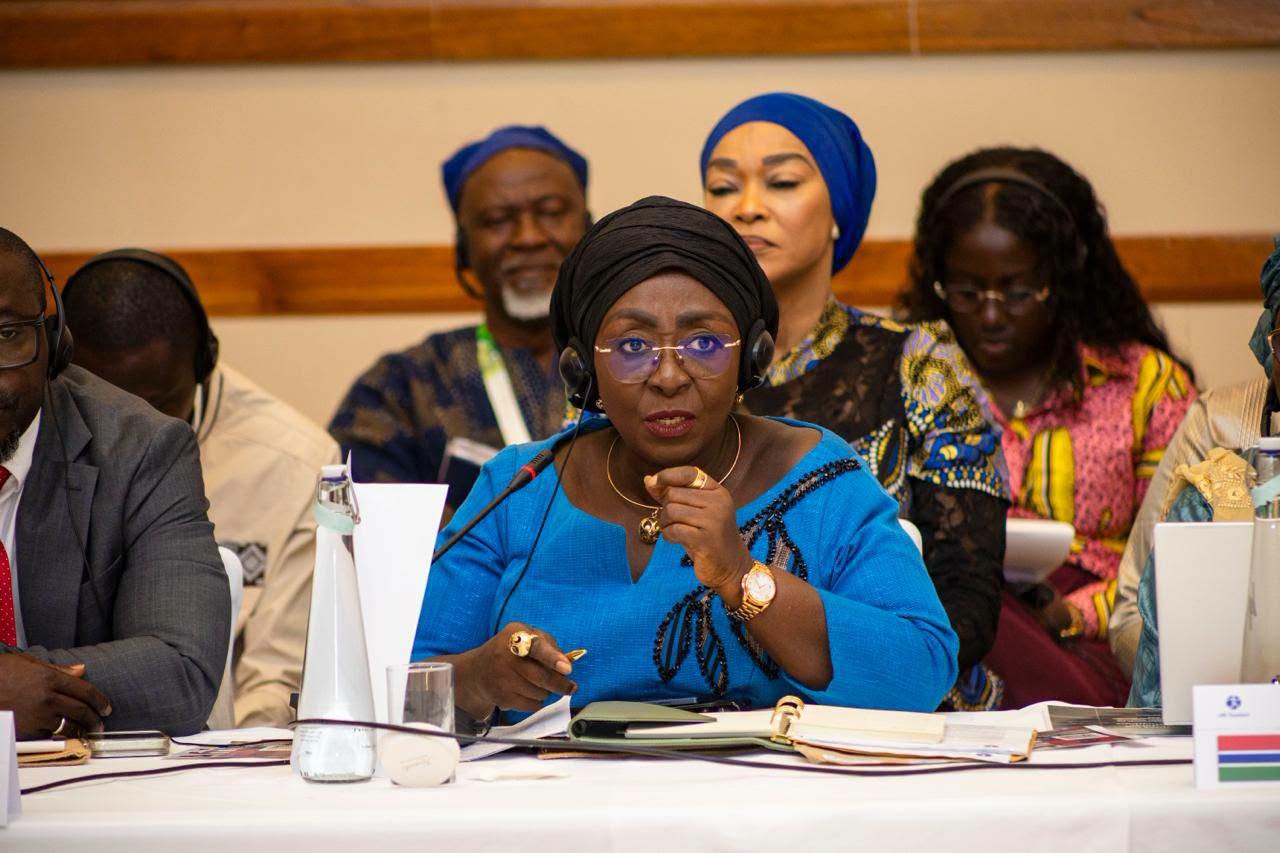
Ghana’s Ministry of Tourism, Culture and Creative Arts has secured the hosting rights for the 70th session of the UN Tourism Commission for Africa (CAF) Meeting in 2027, a diplomatic outcome that places Accra at the center of continental tourism governance at a symbolically loaded moment. The bid, presented by Minister Ablah Dzifa Gomashie at the current CAF session hosted by Seychelles, frames Ghana’s candidacy not merely as logistical readiness but as a governance proposition: that tourism policy, when anchored in institutional coordination and regional integration, can function as a structural driver of economic transformation across West Africa and beyond.
The timing carries deliberate weight. The 70th CAF session in 2027 coincides with Ghana’s 70th Independence Anniversary, a convergence that Accra intends to leverage for maximum diplomatic visibility. Ghana joins a short list of African nations that have used multilateral tourism forums to project soft power and attract inward investment simultaneously, following precedents set by Rwanda’s aggressive conference diplomacy and Morocco’s institutionalized tourism infrastructure strategy. For Ghana, the question is whether this hosting mandate translates into durable policy architecture or remains a one-cycle diplomatic win.
Ghana’s bid rested on a cluster of comparative advantages that Minister Gomashie articulated before UN Tourism delegates. These include a stable multiparty democratic system that has sustained six peaceful transfers of power since 1992, a cultural heritage ecosystem anchored in sites such as Cape Coast Castle and the Volta Region’s natural landscapes, and a creative arts industry that has generated measurable soft-power reach through Afrobeats, Ghollywood, and diaspora tourism under the “Year of Return” and “Beyond the Return” frameworks. The Minister specifically cited Ghana’s capacity to deliver on infrastructure, hospitality, security, and organizational logistics, pointing to recent precedents in hosting AU summits and ECOWAS-aligned events as evidence of institutional readiness.
Within the ECOWAS governance framework, Ghana’s hosting of the CAF meeting carries regional implications that extend beyond national branding. ECOWAS has identified tourism as a cross-border economic sector with integration potential, particularly given the bloc’s free movement protocols and the nascent ECOWAS Tourism Policy framework. A high-profile UN Tourism convening in Accra could accelerate alignment between national tourism masterplans across member states, particularly as countries like Côte d’Ivoire, Senegal, and Nigeria each pursue distinct but potentially complementary tourism corridors. Côte d’Ivoire has invested heavily in Abidjan’s conference infrastructure and is positioning itself as a Francophone business tourism hub; Senegal has leveraged Dakar’s geographic position and cultural assets under its Plan Sénégal Émergent; Nigeria’s tourism potential remains structurally underexploited despite its scale. Ghana’s CAF hosting offers a governance moment to push for harmonized visa regimes, shared tourism data standards, and coordinated regional marketing under an ECOWAS umbrella.
The AfCFTA dimension deserves direct analysis. Tourism is one of the service sectors where intra-African trade liberalization under the African Continental Free Trade Area holds immediate, tractable potential. Cross-border tourist flows, hospitality investment, and aviation connectivity all fall within AfCFTA’s services protocol negotiations, and a continental tourism governance forum held in Accra in 2027 would coincide with a critical phase of AfCFTA implementation. Ghana, as an AfCFTA Secretariat host country, carries an institutional obligation to model the kind of policy coherence that continental free trade demands. If the 2027 CAF meeting produces concrete commitments on intra-African tourism facilitation, including simplified visa processing, mutual recognition of tourism certification standards, or joint destination marketing frameworks, it could contribute measurable inputs to AfCFTA’s services architecture.
Ghana’s tourism sector recorded approximately 1.1 million international arrivals in 2023, according to Ghana Tourism Authority data, generating an estimated US$2.1 billion in receipts. These figures, while significant in the West African context, remain below the sector’s structural potential and trail regional competitors on a per-capita and GDP-contribution basis. The “Year of Return” initiative in 2019 demonstrated that diaspora-targeted programming can generate short-term spikes, with arrivals rising 17% that year, but sustaining those gains requires institutional investment in product quality, safety standards, and digital marketing infrastructure that outlasts any single campaign. The 2027 CAF meeting represents an opportunity to anchor that institutional investment in an internationally visible governance moment, but only if the Ministry of Tourism moves beyond event management toward regulatory reform and public-private investment mobilization.
Several concrete policy mechanisms should accompany Ghana’s hosting mandate if the 2027 CAF session is to generate governance dividends rather than ceremonial ones. Ghana should use the preparatory period between now and 2027 to advance the following:
Minister Gomashie’s framing of the bid as a platform for “policymakers, tourism professionals, investors and creatives” to assess progress and define direction is the right instinct. But the institutional follow-through will determine whether Ghana’s 2027 moment produces lasting regional architecture or evaporates into a well-organized conference. The Bank of Ghana, the Ministry of Finance, and the Ghana Investment Promotion Centre will need to align their investment facilitation mandates with tourism sector priorities in ways that are currently fragmented across government. Regional peers will be watching whether Accra can convert diplomatic success into governance coherence, and whether West Africa’s most stable democracy can model the kind of sectoral policy integration that continental tourism development actually requires.