

Accra’s city authorities say a joint decongestion operation starting on February 1, 2026 will bring stricter enforcement against street trading and roadside encroachment, with a parallel focus on improving pedestrian access and traffic flow across key corridors.
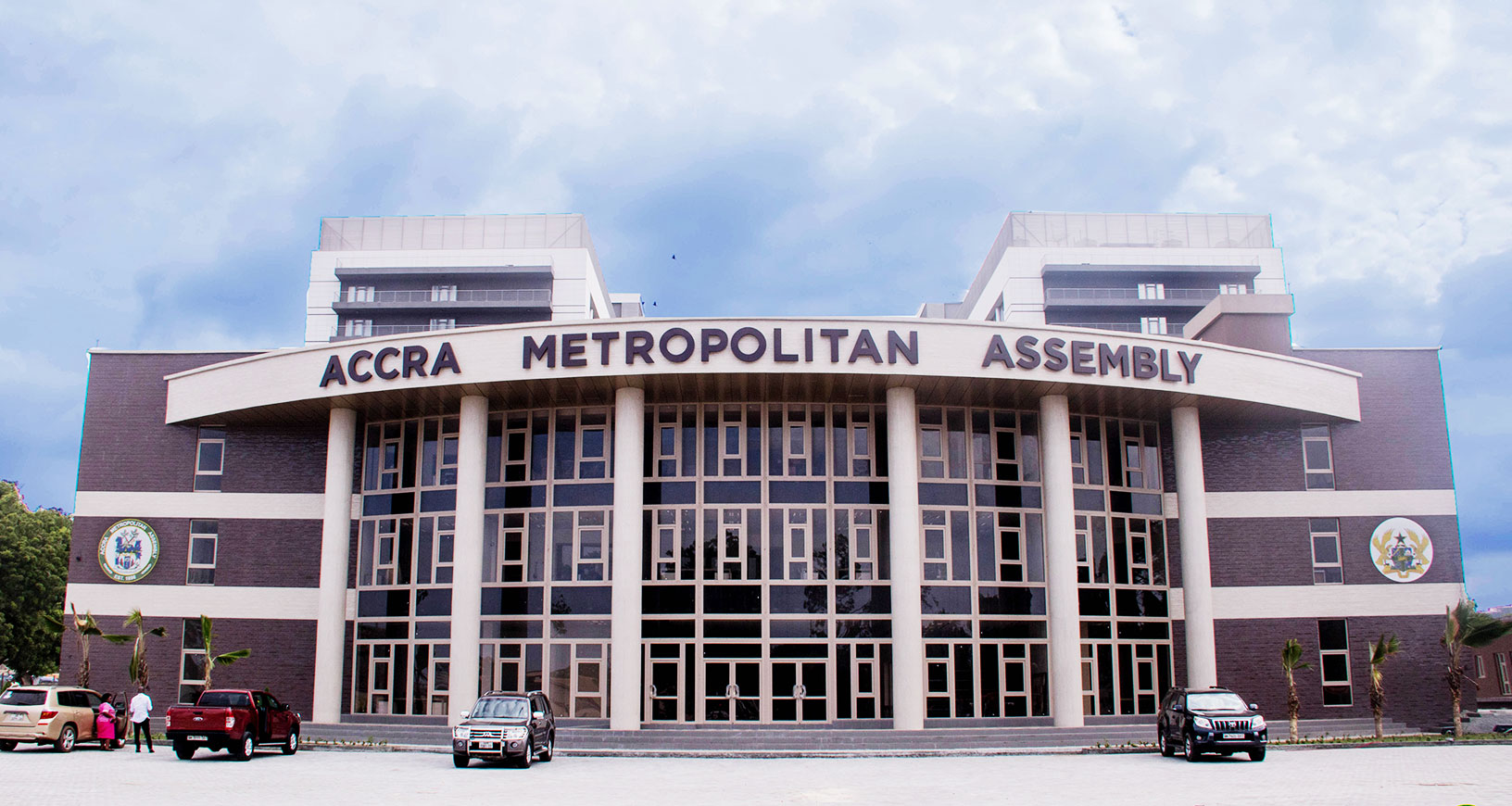
The Accra Metropolitan Assembly (AMA) announced the exercise with five partner municipal assemblies—Korle Klottey, La-Dadekotopon, Ayawaso Central, Ayawaso East and Ablekuma Central—directing hawkers and traders to move off the streets and operate “behind the Red Line” by the close of day on January 31.
What will change for street trading
City officials say the central policy shift is enforcement of the “Red Line” boundary intended to keep trading activities off roadways, pavements and other public right-of-way areas.
At a joint press conference and stakeholder engagement held on January 22, Greater Accra Regional Minister Linda Obenewaa Akweley Ocloo said the operation is not meant to deprive traders of livelihoods but to ensure compliance with designated boundaries. She urged market leaders and trader representatives to relay the directive to their members ahead of the start date, and asked the media to avoid framing the action as a drive to push traders out of the city.
The AMA and partner assemblies have also linked the decongestion to sanitation and safety concerns, citing spillover trading and hawking onto streets and pedestrian walkways as a recurring hazard in busy market areas and along major roads.
Accra decongestion exercise and traffic flow plans
Officials say decongestion will not only target traders, but also transport operators and other activities that reduce road capacity and pedestrian space.
Accra Mayor Michael Kpakpo Allotey warned that cleared areas should not be converted into informal transport terminals or parking spaces, and said indiscriminate parking and the creation of new roadside stations will attract sanctions. The mayor said the intention is to sustain order in the Central Business District and other congestion-prone corridors, improve pedestrian safety and enhance traffic movement.
In recent days, the AMA has also begun removals of unauthorised structures on selected road shoulders and public lands as part of preparations for the February 1 operation. The assembly cited locations including the Awudome Cemetery stretch and roundabout, the frontage of the Royal House Chapel, and North Kaneshie Last Stop, alongside actions around the Tuesday Market area that included drain desilting and waste evacuation.
Enforcement, policing, and penalties
Authorities say the operation will be carried out jointly, with security services supporting enforcement on the ground.
The mayor has described the February 1 action as a shift “from persuasion to strict enforcement,” and said violations of the Red Line directive could result in prosecution at the AMA Sanitation Court. He also called for an “intelligence-led” and coordinated approach, stressing that enforcement should be firm but orderly and respectful of the public.
In meetings with multiple police commands and fire service stations across the metropolis, the mayor sought operational backing for the exercise, and the AMA said security agency leadership pledged support for public safety and orderly enforcement during the decongestion.
Separately, GBC reported that La Dade-Kotopon Municipal Chief Executive Alfredos Nii Anyetei urged residents and businesses to keep shopfront areas clean and to discourage unauthorised parking, as part of broader efforts that city officials say are tied to decongestion and sanitation enforcement.
City authorities say the joint operation is intended to be sustained beyond an initial push, with continued stakeholder engagement alongside enforcement to prevent a return to street trading and roadside encroachment after short-term compliance.