
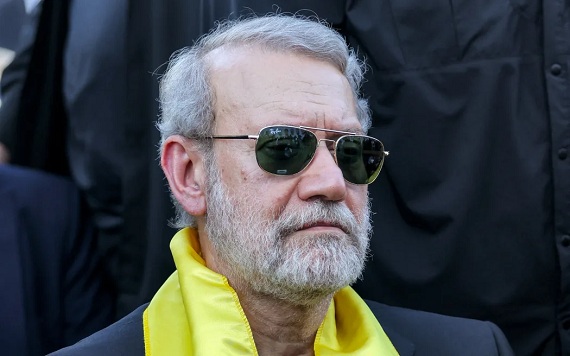
Israel says it has killed Iran’s top security official, Ali Larijani, and the head of the paramilitary Basij force, Gholamreza Soleimani, in overnight air strikes, in what would be among the most significant targeted killings since the current conflict began.
Defence Minister Israel Katz said the two men were “eliminated” overnight, using language that framed the strikes as part of Israel’s campaign against Iran’s leadership.
Iranian authorities later confirmed the deaths of both men, as well as Larijani’s son and his bodyguards, according to state-linked statements carried by multiple international outlets.
Ali Larijani killed in strike described as a major leadership blow
Larijani had been serving as secretary of Iran’s Supreme National Security Council and was considered one of the most powerful figures in the Iranian system after the outbreak of war.
Iran’s confirmation makes him the most senior Iranian official reported killed since Supreme Leader Ayatollah Ali Khamenei died on the first day of Israeli and U.S. strikes on 28 February 2026, according to reporting by the Associated Press.
Israeli statements did not immediately provide operational details beyond claiming responsibility for the strikes.
Iran confirms Basij commander Gholamreza Soleimani also died
Iran also confirmed the death of Gholamreza Soleimani, who led the Basij, a paramilitary force linked to internal security and the Islamic Revolutionary Guard Corps.
Israeli accounts said Soleimani was killed in a separate strike from the one that hit Larijani. Iran’s confirmations did not immediately provide full circumstances for the two deaths.
War timeline and regional retaliation
The targeted killings come amid a widening war that began on 28 February, when Israel and the United States launched strikes on Iran that resulted in Khamenei’s death.
Since then, Iran has retaliated with missile and drone attacks aimed at Israel and at several Arab states that host U.S. military facilities, according to regional officials and public statements cited in international coverage.
Oil prices jump as Hormuz disruption hits Gulf production and exports
Energy markets have been heavily affected by the conflict, with oil prices rising sharply as shipping and production have been disrupted.
The Strait of Hormuz—one of the world’s most important maritime routes for oil and liquefied natural gas—has faced severe disruption since late February, and Gulf producers have diverted exports to pipelines and alternative terminals where possible, according to Reuters reporting.
The same reporting said the disruption has forced production cuts and stoppages in parts of the Gulf as storage filled and exports were delayed, adding to global supply concerns.