
Mexican security forces have killed Nemesio Rubén Oseguera Cervantes, known as “El Mencho,” the alleged leader of the Jalisco New Generation Cartel (CJNG). The death followed a military operation in Jalisco state and quickly triggered retaliatory violence, including roadblocks, arson and attacks in several parts of the country. Mexican authorities and the United States both framed the outcome as a major blow against a cartel linked to fentanyl trafficking.
What happened in the operation that killed El Mencho
Reports from officials and major outlets said El Mencho died from wounds sustained during an operation in Tapalpa, in Jalisco. Accounts described heavy resistance and casualties during the mission. Several reports also said US intelligence supported the operation, highlighting a renewed level of cross-border cooperation.
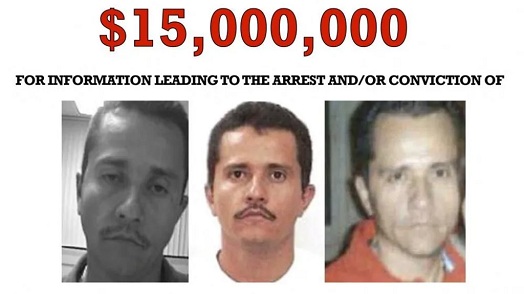
The United States had listed Oseguera as a top target and offered a reward for information leading to his capture.
CJNG retaliation hits roads, cities and tourist hubs
Soon after the killing, violence spread across multiple states. Reports described convoys blocking highways, vehicles set alight and armed attacks. Several sources said incidents reached beyond Jalisco, with disruptions reported across wide areas of the country.
In Jalisco’s capital, Guadalajara, masked gunmen were reported to have set fires and sparked major disruption. Guadalajara is scheduled to host matches at the 2026 FIFA World Cup.
In Puerto Vallarta, reports said flights were disrupted and residents faced emergency restrictions as security forces responded to the unrest.
Why this cartel leader mattered to Mexico’s security map
CJNG is a powerful criminal organization with a national footprint. In this context, “cartel” refers to a network that controls drug production and trafficking routes through violence and corruption. Authorities have long accused the group of moving large quantities of synthetic drugs, including fentanyl, toward the United States.
El Mencho’s death removes a central figure from the cartel’s command structure. However, security analysts have warned in similar cases that leadership losses can trigger internal succession battles and short-term instability. Those dynamics can drive further violence as rival groups test control.
The political stakes for Sheinbaum and Washington
Mexico’s President Claudia Sheinbaum praised the operation as a major success for Mexican security forces. US officials also welcomed the development, in part because fentanyl trafficking remains a dominant issue in bilateral relations.
Several reports noted that the US role was limited to intelligence support, amid continued debate in Washington over how far the United States should go inside Mexico to counter drug trafficking.
What happens next on the ground
In the immediate aftermath, authorities focused on reopening roads, restoring basic services and preventing further attacks. The scale and duration of the reprisals will shape how quickly daily life normalises in affected states, especially in Jalisco. For now, Mexico faces a volatile security moment as it absorbs the death of a cartel leader and the rapid response from armed groups