
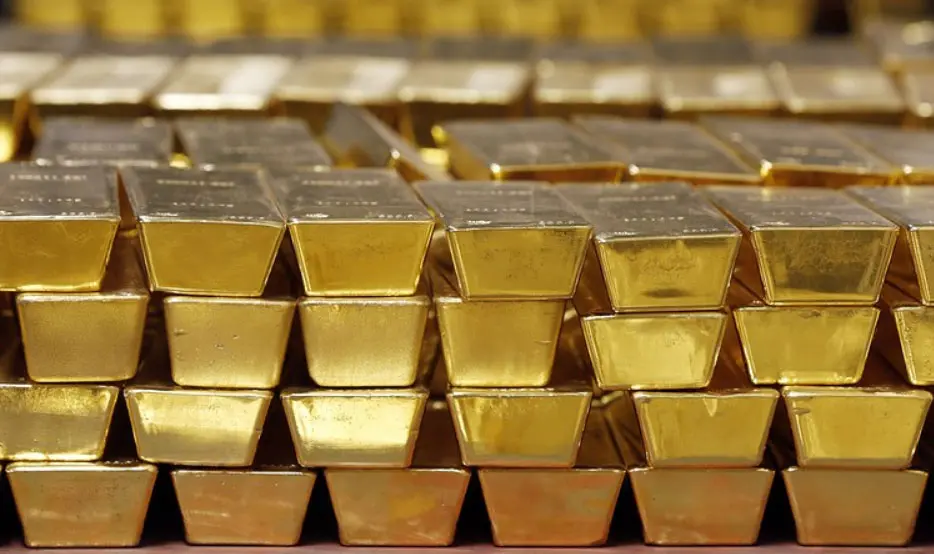
Ghana set a new production record in 2025 with 6 million ounces of gold, according to provisional data shared by the Ghana Chamber of Mines. Large-scale mines produced 2.9 million ounces, unchanged year on year, while artisanal and small-scale mining (ASM) accounted for about 3.1 million ounces. The chamber briefed Reuters on the sidelines of the Investing in African Mining Indaba.
Record output in 2025, target set higher
The chamber’s chief executive, Kenneth Ashigbey, said the 2025 tally surpassed the industry’s target. He credited high bullion prices and recent reforms that drew more artisanal supply into formal channels. ASM refers to small, often community-based operations that use limited capital; formalisation means selling into traceable, regulated schemes. Ghana has pencilled in 6.5 million ounces for 2026, but that goal now looks uncertain.
Royalty overhaul raises 2026 risks
The government plans to replace the fixed royalty with a sliding-scale royalty of 5% to 12% linked to the gold price. A sliding scale adjusts the rate upward as prices rise and downward as they fall. Companies argue the proposal could slow investment decisions and push back expansions that underpin next year’s output. Officials have floated a cut to the Growth and Sustainability Levy to offset the higher royalty burden; talks are ongoing.
What miners say about projects and jobs
An industry position paper cited by Reuters indicates that lifting royalties from 5% to 7% at a realised price of $2,044/oz would reduce the net present value of AngloGold Ashanti’s Obuasi project by about 8%, dropping it below typical hurdle rates. It also suggests Perseus Mining’s planned $170 million pit expansion at Edikan would become uneconomic. The chamber says these two projects together represent 1,344 jobs and over $800 million in future royalties and taxes.
Large-scale mines steady, ramps offset declines
Stable large-scale output in 2025 reflects start-ups and ramps offsetting grade declines at older sites. The chamber pointed to contributions from Shandong Gold Mining’s Cardinal Namdini and Newmont’s Ahafo North, while grades slipped at assets such as Gold Fields’ Damang. Meanwhile, Ghana’s recent efforts to curb smuggling and channel ASM sales into official buyers supported recorded volumes.
Policy trade-offs in a high-price cycle
Like peers across Africa, Ghana seeks a larger public take when prices surge. Producers warn that higher royalties on gross revenue compress cash flow, favour selective mining of higher-grade ore, and shorten mine lives. Government officials argue that a calibrated sliding scale can protect state revenues while keeping Ghana competitive, especially if paired with offsets like levy reductions and clear fiscal stability terms. Market participants expect further engagement before any final rollout.
Ghana enters 2026 with record momentum but a fragile outlook. The production base is broadening, yet investment timing remains sensitive to fiscal terms. The final shape and timing of the royalty reform will likely determine whether the 6.5-million-ounce ambition can be met without delaying projects or shedding jobs.