

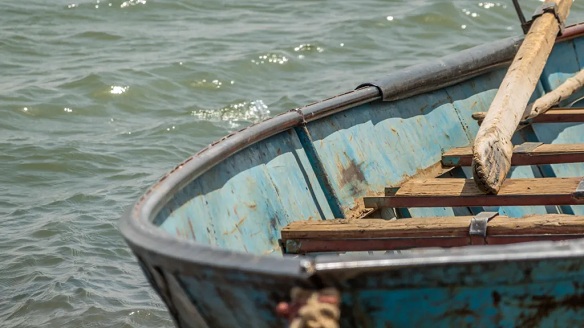
At least 21 people have died after a passenger boat capsized in northern Sudan, according to authorities in River Nile State. The vessel went down on Wednesday evening between the villages of Tayba al-Khawad and Deim al-Qarai in the Shendi area. A regional statement on Thursday confirmed 21 bodies had been recovered. Earlier figures from medics had put the toll lower, with several people still unaccounted for.
Sudan Nile boat sinking: what we know
Witnesses reported high waves shortly before the capsize. The boat carried close to 30 passengers, including women, elderly people and children, the Sudan Doctors Network said. The group added that six people survived. It also urged the deployment of specialised rescue units and equipment to speed up the search. The figure of 21 dead reflects a formal update by local authorities; the toll could change as operations continue. Reports by BBC and agencies citing officials align on the location and emerging numbers.
Rescue efforts continue amid scarce resources
Rescue teams and residents are still combing the river. Officials warn more bodies may be found. Medical volunteers say weak regulation of river transport and limited gear complicate operations. The Sudan Doctors Network described the incident as a “painful humanitarian tragedy” that exposes gaps in safety rules. Its statement highlights long-standing concerns over life jackets, vessel standards and enforcement on rural waterways.
A risky corridor with thin oversight
Traditional river boats remain common where bridges are scarce. Operators often run single-engine craft that face currents, sudden winds and overloading risks. In busy farming zones, crossings increase at dusk, when visibility drops. Medics and local leaders have called for basic fixes: mandatory flotation devices, passenger limits, routine inspections and trained crews. Agencies, including AFP, have documented similar accidents over the years, underscoring systemic safety deficits.
Conflict backdrop strains basic services
Since April 2023, fighting between the national army and the Rapid Support Forces has battered infrastructure and public services. While River Nile State has avoided front-line battles, displacement and budget pressure are nationwide. Civil defence units face fuel shortages, staff constraints and equipment wear. In this context, even routine rescues can take longer and carry higher risks for crews and survivors.
Key details still unclear
Authorities have not released a full passenger list or the exact number of missing. The cause remains under investigation, though eyewitnesses point to rough water. Officials have yet to say whether the captain sent a distress call, what safety gear was on board, or whether overloading played a role. Local health facilities are coordinating with community leaders to identify victims and notify families.
The latest death toll stands at 21, with six known survivors. Search teams remain on the river as families wait for news. Calls are growing for tighter rules and better equipment to prevent another disaster on the Nile.