The African Continental Free Trade Area has been operational in principle since 2021, yet intra-African trade remains stubbornly low — hovering around 15 to 17 percent of total African exports, compared to roughly 60 percent within Europe and 58 percent within Asia. The core governance question AfCFTA now confronts is not whether the framework is sound, but whether member states possess the institutional capacity and political will to execute it.
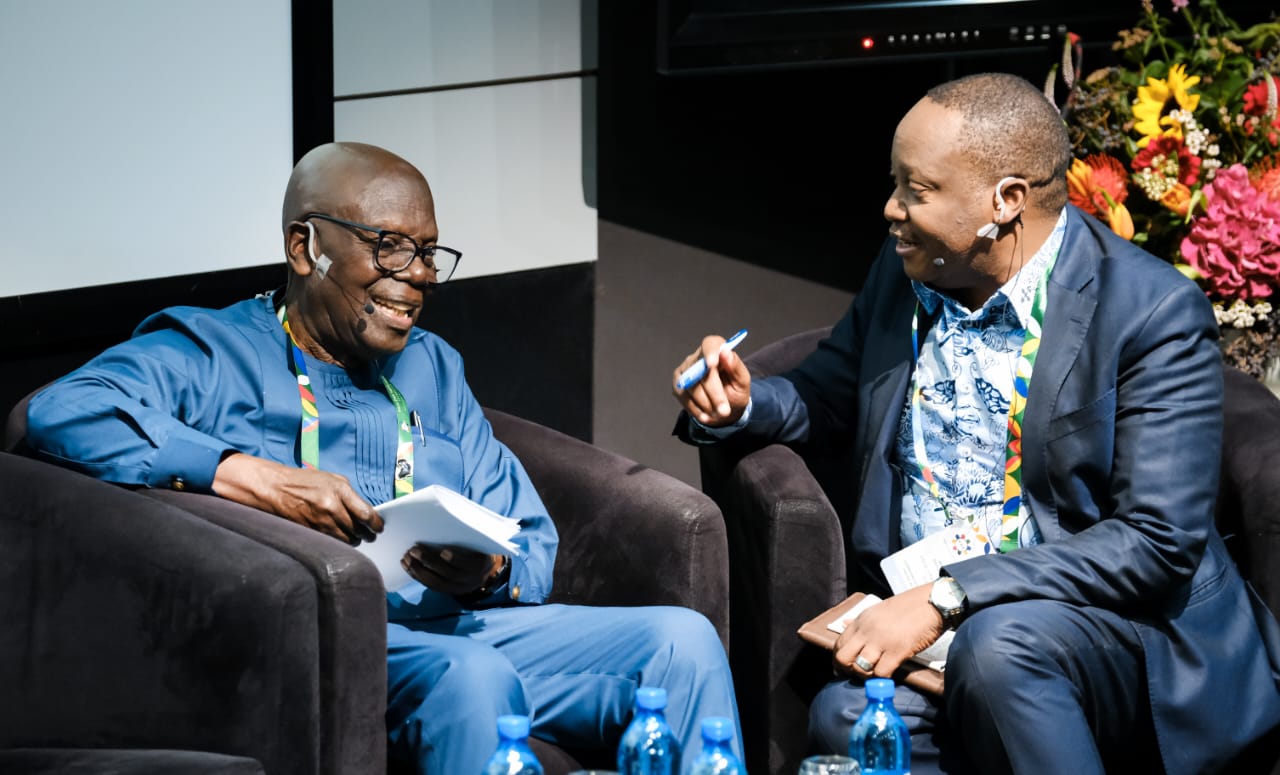
Dr. Ishmael Yamson, Board Chairman of MTN Ghana, addressed that gap directly in a recent appearance on MTN’s Y’ello Chair vodcast series. His remarks, while framed as a vision, carry a pointed institutional diagnosis: Africa’s integration project stalls not at the drafting stage, but at the implementation stage.
What Dr. Yamson’s framing ultimately surfaces is a governance accountability problem. AfCFTA’s Secretariat, based in Accra, has the mandate but limited enforcement authority — implementation depends on domestic legislative action, customs modernisation, and institutional reform within each member state. Ghana itself illustrates the tension: the country hosts the AfCFTA Secretariat and positions itself as a regional integration champion, yet its own trade facilitation infrastructure, including port efficiency at Tema and border digitisation, remains a work in progress relative to peers like Côte d’Ivoire, which has invested heavily in corridor logistics under the Abidjan-Lagos corridor framework.
The policy pathway is institutional rather than aspirational. It runs through strengthening the AfCFTA Secretariat’s monitoring and review mechanisms, accelerating the ECOWAS single currency roadmap (the Eco, repeatedly deferred), and building mutual recognition agreements between WAEMU’s regulatory bodies and their non-WAEMU counterparts. These are tractable, if politically demanding, objectives. The continent’s integration architecture already exists; what remains is the harder work of making it function.