Nairobi’s Global Trust Summit has forced a precise institutional question onto the table: under what conditions do public bodies earn legitimate authority, and what governance mechanisms make that authority durable?
Running from 21 to 23 October under the theme “Weaving Trust: Binding Strands for a Stronger Global Order,” the summit convened governments, multilateral institutions, civil society organisations, private investors and youth representatives to examine a measurable erosion of public confidence across governance systems, markets and international cooperation frameworks. The Nairobi Dialogue on Global Trust is not a declaration exercise. Its proposed Nairobi Call to Action commits participating institutions to evidence-based accountability benchmarks that can be tracked after delegates disperse.
The key institutional and policy findings from the summit’s opening sessions establish a clear pattern across sectors.
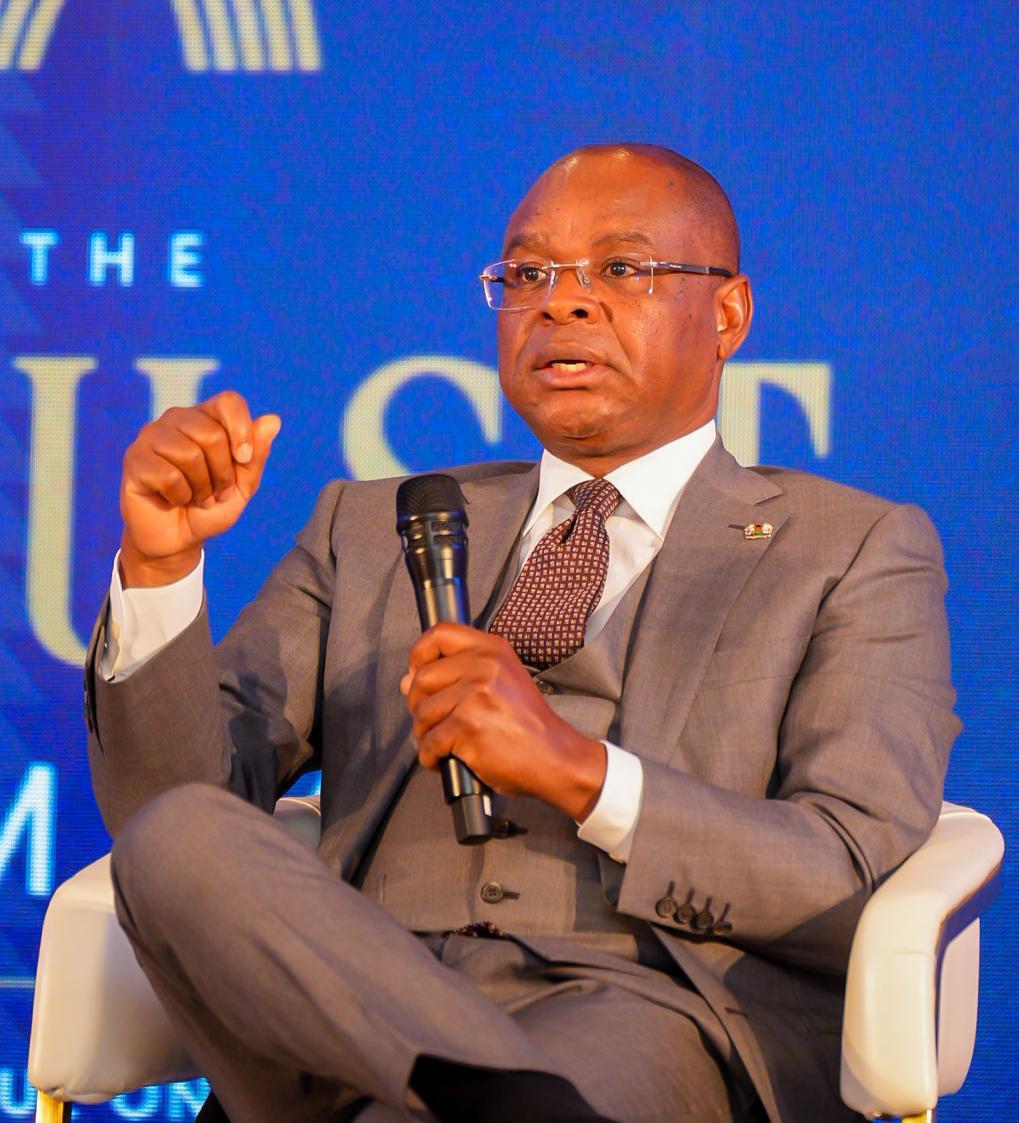
The summit’s analytical weight rests on a proposition that Kenya’s Principal Secretary for Foreign Affairs, Dr Abraham Korir Sing’Oei, stated directly: “This is not a summit of convenience. It’s a summit of necessity.” That framing matters because it positions the trust deficit not as a sentiment problem but as a governance failure with measurable consequences for institutional cooperation, market investment and regional integration.
From Domestic Accountability to Continental Governance Architecture
The Nairobi discussions carry particular relevance for West and East Africa’s integration frameworks. The African Continental Free Trade Area (AfCFTA), which depends on regulatory harmonisation, institutional predictability and cross-border rule-of-law alignment, cannot function at scale if member states’ domestic institutions lack public credibility. When citizens distrust national regulators, courts and standards bodies, the legitimacy of supranational frameworks built on those institutions is correspondingly weakened.
The summit examined how regional cooperation through the East African Community and AfCFTA can strengthen collective agency and expand economic opportunity, but participants were explicit that this requires more than treaty ratification. It requires institutions that resolve complaints, honour audit findings, document citizen input and deliver on public commitments within accountable timeframes. Senate Speaker Amason Jeffah Kingi offered the operational standard: “Trust is a belief that my legitimate expectations will be met within a reasonable time.” Applied to integration frameworks, that standard demands that ECOWAS, the AU and AfCFTA secretariats demonstrate the same accountability to member populations that they expect from national governments.
Duncan Ojwang’, chairperson of the Independent Policing Oversight Authority, pushed the democratic participation question further, arguing that public consultation mechanisms must be designed for universal access rather than captured by organised interest groups. Sheila Masinde of Transparency International Kenya reinforced this by framing participation as a legitimate democratic right, not an administrative courtesy. These arguments carry direct implications for how AfCFTA trade policy consultations, ECOWAS governance reviews and AU institutional reforms are structured and documented.
The Nairobi Call to Action, if it moves from declaration to tracked commitment, could establish a governance benchmark with regional resonance: that institutions must examine and correct inaccurate assumptions embedded in their data systems, risk assessments and public narratives. For West African policymakers, investors and reform advocates, the summit’s output will be measured not by the quality of speeches delivered in Nairobi but by whether its accountability framework produces institutional behaviour that citizens and markets can observe, assess and hold to account.