Ghana’s Ministry of Foreign Affairs has summoned South Africa’s High Commissioner following documented attacks on Ghanaian nationals by vigilante groups, exposing deepening fractures in continental integration efforts and raising questions about South Africa’s commitment to African unity frameworks.
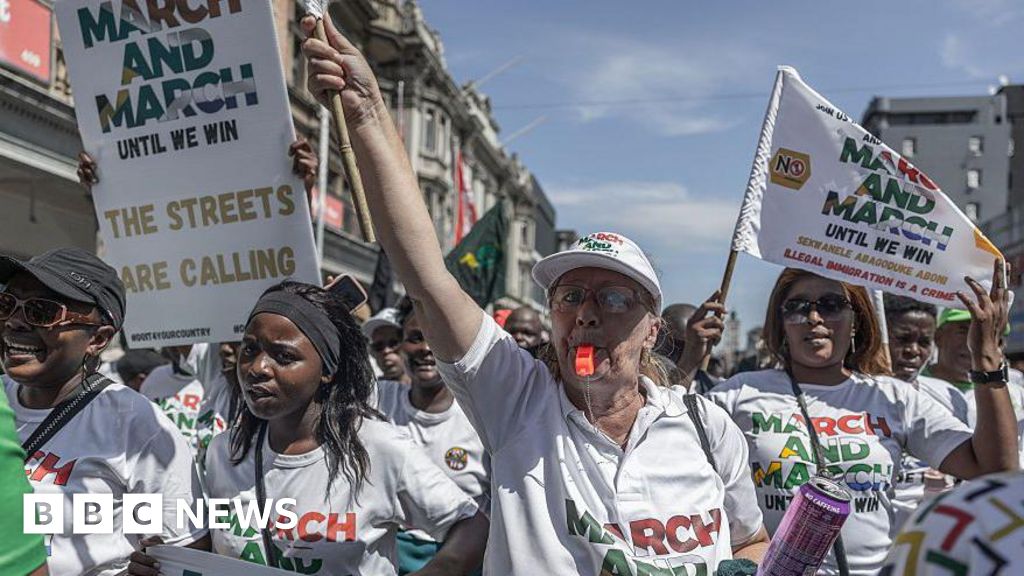
The diplomatic escalation follows viral video footage showing Operation Dudula members confronting a legally resident Ghanaian man in KwaZulu-Natal province, demanding proof of documentation and ordering him to “fix his country.” The incident represents the latest manifestation of systematic xenophobic violence that threatens to undermine African Continental Free Trade Area (AfCFTA) objectives and ECOWAS members’ investment confidence in South Africa.
Diplomatic Response Exposes Regional Tensions
Foreign Affairs Minister Samuel Okudzeto Ablakwa’s direct intervention with South African counterpart Ronald Lamola signals Ghana’s growing assertiveness in protecting citizens abroad and defending West African integration principles. Lamola’s promise of “full investigation” follows established patterns of South African diplomatic responses that rarely translate into meaningful prosecutions or policy reforms.
Ghana’s High Commissioner Benjamin Quashie’s public meeting with the targeted Ghanaian national demonstrates Accra’s shift toward more visible diplomatic protection, contrasting with previous quiet diplomacy approaches that yielded limited results for affected West African communities.
The incident occurs as Ghana positions itself as a regional hub for continental trade and investment, making protection of its diaspora communities essential for maintaining credibility with domestic constituencies and regional partners.
Economic Implications for West African Integration
South Africa hosts approximately 2.4 million documented migrants, with West African nationals comprising significant portions of entrepreneurial communities in major cities. However, unofficial estimates suggest total migrant populations exceed 4 million, creating policy challenges that South African institutions have consistently failed to address through comprehensive immigration reform.
Nigerian authorities have issued travel advisories urging caution for citizens in South Africa, indicating broader West African concerns about investment security and trade relationship stability. This coordinated regional response suggests ECOWAS members increasingly view South African xenophobia as systematic rather than episodic.
The attacks particularly target foreign-owned retail businesses, disrupting trade networks that connect West African exporters with Southern African markets. These disruptions directly contradict AfCFTA principles of free movement and cross-border commerce that both regions endorsed.
Institutional Failures Enable Vigilante Violence
Operation Dudula and similar groups operate with apparent impunity despite Acting Police Minister Firoz Cachalia’s condemnation of vigilante activities. The organizations’ public demonstrations and documented harassment campaigns proceed without meaningful law enforcement intervention, suggesting either institutional capacity limitations or political tolerance for anti-migrant sentiment.
South African unemployment rates exceeding 32 percent create fertile conditions for scapegoating narratives, but government failure to address structural economic challenges through productive policy alternatives enables vigilante groups to fill governance vacuums with violence.
The pattern of South African diplomatic apologies followed by continued vigilante activities indicates systemic institutional weakness rather than isolated incidents, raising questions about Pretoria’s capacity to fulfill regional leadership responsibilities.
Regional Integration at Crossroads
Ghana’s assertive diplomatic response reflects broader West African frustration with South African commitments to continental integration frameworks. As AfCFTA implementation accelerates, systematic attacks on West African traders and professionals undermine the agreement’s fundamental assumptions about intra-African mobility and commerce.
The incident exposes contradictions between South Africa’s continental leadership aspirations and domestic political dynamics that reward anti-African sentiment. This disconnect threatens South African soft power and economic partnerships across the continent.
ECOWAS members’ coordinated responses suggest potential for collective diplomatic pressure that could compel substantive South African policy reforms. However, success requires sustained political commitment beyond immediate crisis management.
Ghana’s approach establishes precedent for other African nations to demand accountability from South Africa regarding systematic xenophobic violence. The diplomatic escalation signals that continental integration cannot proceed while member states tolerate attacks on African nationals based on nationality or immigration status.